
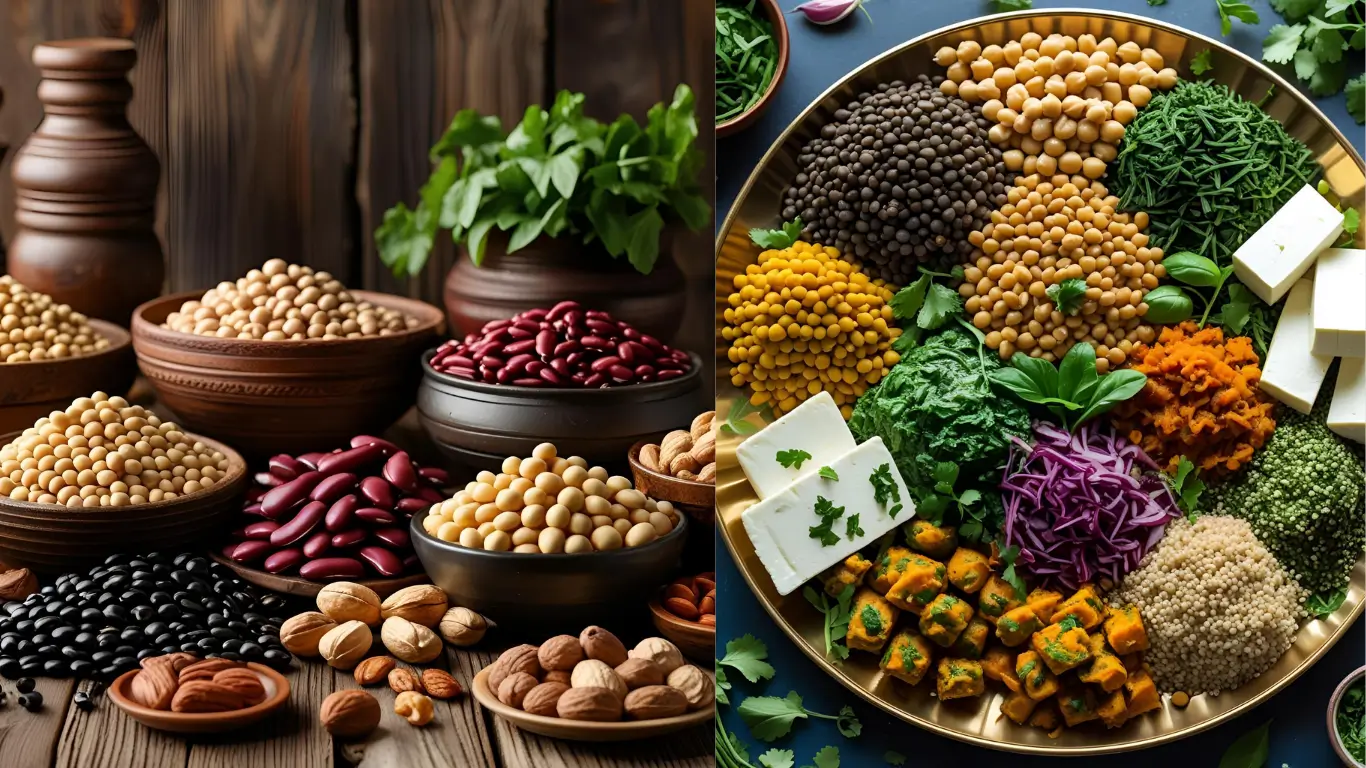
Source of Protein In Indian Food
In a country known for its diverse and flavorful vegetarian cuisine, many ask:
“Where do Indians get their sources of protein in Indian food from?” The answer lies in a wide array of traditional Indian foods that are nutrient dense, affordable, and deeply rooted in our culinary heritage. Whether you’re a vegetarian, vegan, or non-vegetarian, Indian cuisine offers plenty of natural protein sources—many of which have been part of our diets for centuries.
Why Is Protein Important in Our Diet?
Before diving into the list of sources of protein in Indian foods, let’s understand why protein is so important:
- Helps in muscle building and recovery
- Boosts metabolism and aids in weight management
- Strengthens hair, nails, and skin
- Improves immunity and energy levels
- Keeps you fuller for a longer time
According to my personal experience & nutritionists, an average adult requires 0.8 to 1 gram, and athletes and bodybuilders require 2 grams of protein per kilogram of body weight daily. For example, a person weighing 60 kg needs at least 48-60 grams of protein daily, & on the other side, advanced-level people (athletes, bodybuilders) weighing 80 kg need at least 160 grams of protein daily.
 1. Dals and Pulses—Everyday Protein Heroes
Lentils and pulses are the heart of Indian meals. Popular varieties like moong, masoor, toor, chana, and urad dal are consumed daily across different
regions.
Protein Content (per 100 g raw):
Moong dal – 24 g.
Masoor dal – 25 g.
Chana dal – 21 g.
Pro Tip: Pair dal with rice or roti to form a complete protein with all essential amino acids.
2. Paneer—Vegetarian Protein Powerhouse
Paneer, or Indian cottage cheese, is rich in protein and calcium and can be made fresh at home using milk and lemon juice.
Protein Content: ~18 g/100 g.
Try Paneer Bhurji, Grilled Paneer Tikka, or Paneer Butter Masala.
3. Rajma & Chole – Hearty and High-Protein
These fiber-rich legumes support digestion, heart health, and muscle repair.
Protein Content (per 100g raw): Rajma (Kidney Beans)—24g, Chole (Chickpeas)—19g.
Best served with: Brown rice or whole wheat roti.
4. Soya Chunks and Tofu—Vegan Protein Champions
Soy products are complete proteins, meaning they contain all nine essential amino acids—perfect for vegans and vegetarians alike.
Protein Content: Soya Chunks (dry) – 52g, Tofu – 8 g.
Add soya to biryani or curries, and try matar tofu or spicy tofu stir-fry.
 5. Nuts and Seeds—Small but Mighty
Common in Indian chutneys, sweets, and snacks, nuts and seeds pack both protein and healthy fats.
Protein Content (per 100 g):
Peanuts – 25g
Sesame seeds (til) – 18g
Flaxseeds – 18 g.
Ideas: Peanut chutney, flaxseed paratha, or til laddoos.
6. Whole Grains—Balanced Energy and Protein
Millets, brown rice, and whole wheat not only provide carbs but also decent amounts of protein.
Protein Content (per 100 g):
Bajra (Pearl Millet) – 11g.
Ragi (Finger Millet) – 7g.
Whole Wheat Flour – 12g.
Enjoy as millet khichdi, ragi dosa, or bajra rotis.
 7. Curd, Buttermilk & Lassi – Gut-Friendly Protein
Fermented dairy like curd and chaas support gut health while adding protein to your
meals.
Protein Content:
Curd – 3–4g per 100g.
Great with rice, parathas, or enjoyed as salted or sweet lassi.
 8. Green Leafy Vegetables—Modest but Valuable
While not high in protein, leafy greens are nutrient-dense and offer a protein boost when combined with other ingredients.
Protein Content:
Drumstick Leaves (Moringa) – 9g.
Spinach (Palak) – 2.8g.
Add to curries, parathas, or soups.
 9. Eggs and Fish—Non-Vegetarian Staples
For those who consume animal products, eggs and fish are quick and efficient sources of high-quality protein.
Protein Content:
Egg – ~6g per egg.
Fish (Rohu, Hilsa, etc.) – 20–22g per 100g.
Try boiled eggs with masala, Bengali fish curry, or tandoori fish.
10. Sprouts
Sprouted moong, chana, and moth beans are protein-packed superfoods. Sprouts have 8-10 grams of protein per 100 grams and are very easy to digest. Best way to eat: Sprout salad with lemon, onion, and tomato.
 Pro Tips for Building Protein-Rich Indian Meals
- Add sprouts or boiled chana to your breakfast.
- Replace refined snacks with roasted peanuts or makhana.
- Include at least one bowl of dal in lunch and dinner.
- Opt for paneer, tofu, or soya dishes for dinner.
- Drink a glass of milk or buttermilk daily.
- Non-Vegetarians can include eggs or chicken in at least one meal.
These smart combinations help form a complete protein source using only traditional Indian ingredients.
Conclusion
Building a high-protein Indian diet doesn’t require imported supplements. Traditional Indian foods like dals, paneer, millets, and nuts provide all the protein your body needs—naturally. Whether you’re vegetarian or non-vegetarian, you can easily meet your protein goals with simple, local, and delicious meals.






Add comment